
Sri Lanka's south coast is a hard place to own a boat and an easy place to love one. Warm water, strong sun and salt-laden air work on a hull every day it sits at a mooring — so the difference between a boat that lasts and one that ages fast is rarely luck. It's maintenance, done in the right order, by people who understand coastal conditions.
What the coast does to a boat
Before the repairs, it helps to know what you're fighting. On the southern coast around Ahangama, Weligama and Galle, three forces do most of the damage:
- UV: constant tropical sun chalks gelcoat, fades fabric and embrittles unprotected surfaces.
- Salt: chloride-laden air pits the wrong grade of metal and creeps into every fitting and fastening.
- Humidity and use: moisture ingress, groundings and daily wear open up small problems that grow if left alone.
The repairs owners ask for most
SEATEK handles repairs across all three of its disciplines, which matters because coastal damage is rarely just one material. The common jobs:
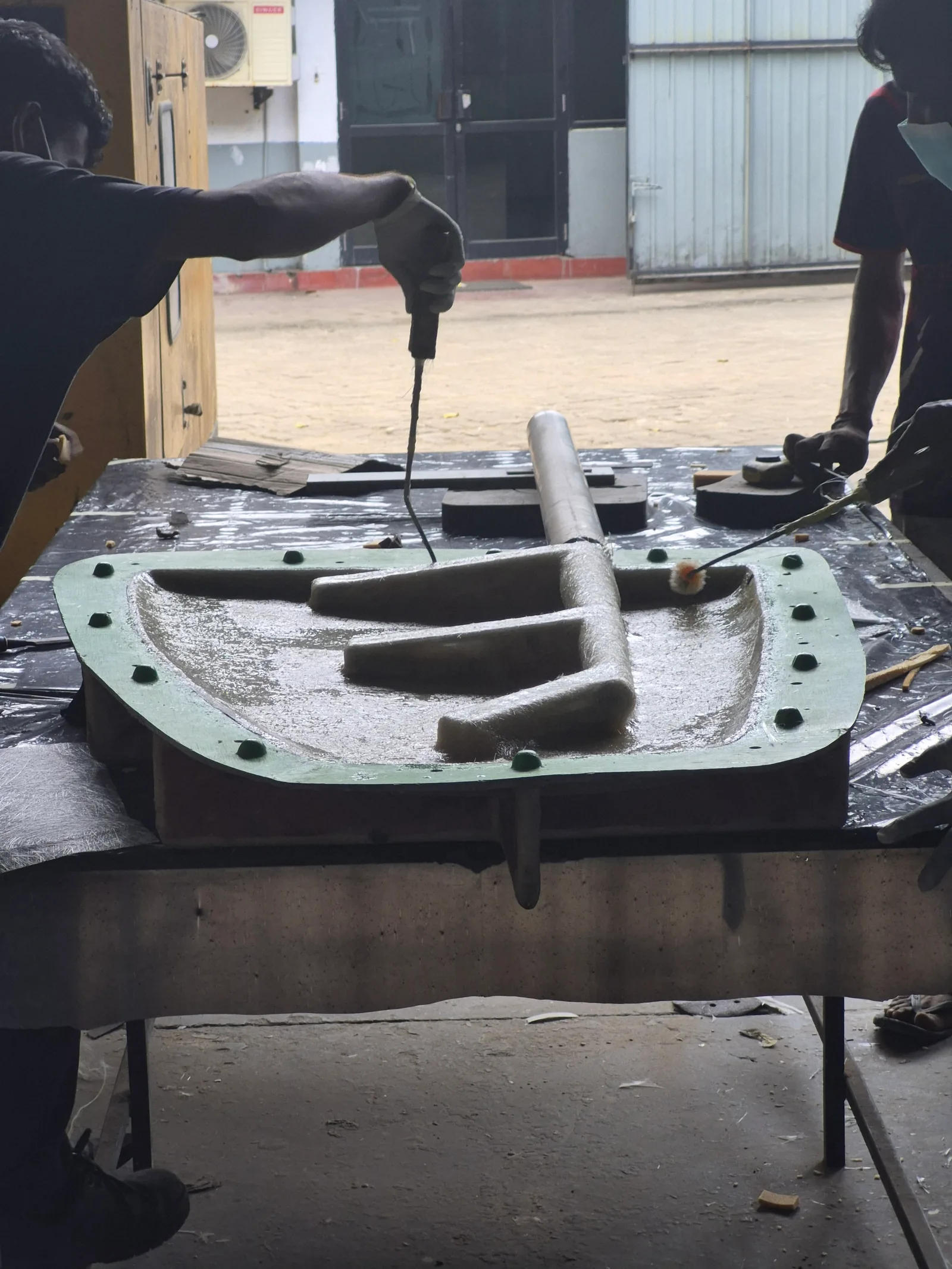
- Fiberglass & hull: crack and impact repair, structural reinforcement, and restoration for fishing, leisure and luxury boats, canoes and kayaks.
- Gelcoat: colour-matched restoration that blends into a sun-faded hull instead of standing out against it.
- Metal: welding and structural repair, railing and fixture restoration, corrosion treatment, polishing and hardware replacement.
- Surfboards: professional diagnostics and repair, from small dings to larger structural rebuilds.
- Maintenance & servicing: RIB tube servicing and replacement, launch and recovery support, and floating-deck and marina maintenance.
On the coast, maintenance isn't the expensive option. Waiting is.
Fix it in the right order
A good repair reads the whole problem before touching the surface. Structural laminate damage is a different job from cosmetic gelcoat damage, and confusing the two is how a quick fix becomes a repeat visit. We assess first, repair the structure, then restore the finish — so the boat leaves genuinely sound, not just shiny.
Preventive beats reactive
The owners who spend the least are usually the ones on a schedule. A preventive maintenance programme — checking hardware, treating early corrosion, servicing tubes and refreshing protective finishes before the season — costs a fraction of the structural repair it heads off. For fleets and hospitality operators, project-based maintenance keeps a whole operation running instead of firefighting one failure at a time.
Where we are
SEATEK runs a workshop at Kabalana, Kathaluwa, Ahangama, on the southern coast, alongside a second workshop in Jaffna in the north. That puts hands-on marine repair and maintenance within reach of south-coast owners, resorts and operators — for a single repair or an ongoing service arrangement.